Center for Technology Transfer in Building Biology

The Technology Transfer Center (TTZ) for Building Biology and Healthy Living was approved by the Bavarian State Council in July 2024 as part of the “Hightech Transfer Bayern” technology initiative. The TTZ is a science-based driver of innovation in the Berchtesgadener Land region and offers small and medium-sized enterprises (SMEs), as well as industry and research partners, a needs-based approach to application-oriented projects in the field of healthy living.
Project background
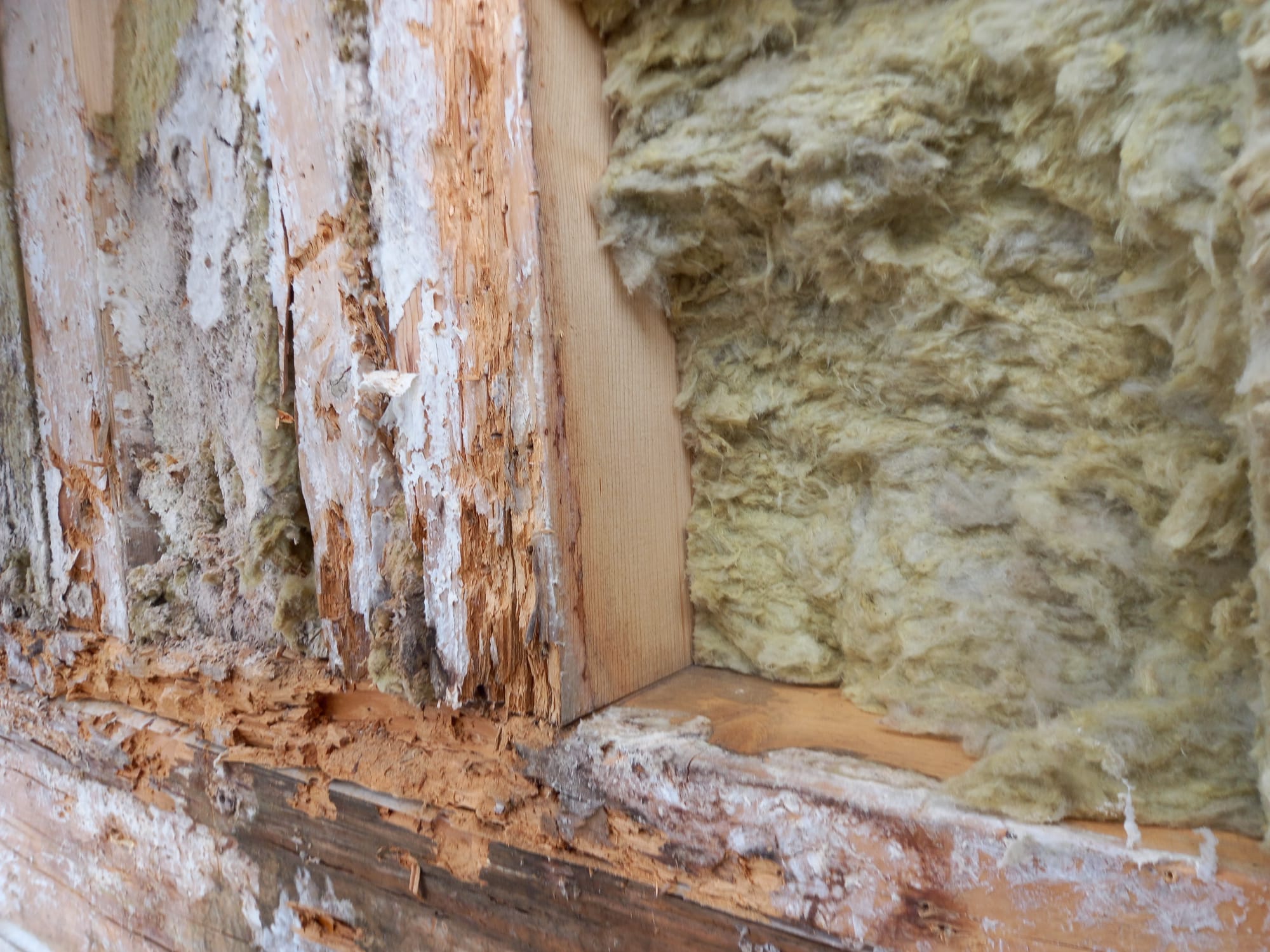
The TTZ Center for Building Biology and Healthy Living investigates the interactions between building products, indoor environments, and human health. The focus is on the scientifically sound evaluation of the biological and physical properties of materials, as well as their impact on the respiratory system, skin, and well-being. The goal is to establish a solid foundation for healthy and sustainable building products.
Project objective
The goal of the project is to establish a new research and technology transfer center in the Berchtesgadener Land region, where academia and industry will collaborate on solutions for healthy housing construction. The TTZ will systematically analyze the effects of existing and new building materials, share the latest knowledge through seminars and workshops, and strengthen the transfer of this knowledge into practical applications.
Project procedure
Physiological cell models are used to assess health effects by examining building materials and material components. The focus is on low-pollutant, sustainable construction methods and the scientifically supported transfer of results into practical applications. This is intended to lead to recommendations for material-related improvements, practical testing methods, and industrial advancements.
Innovation
What makes this approach innovative is the data-driven combination of molecular biology studies, physiological cell models, and AI-supported bioinformatics to assess the health safety of building materials and other materials. Particularly novel is the integrated consideration of indoor and outdoor applications, as well as the inclusion of vulnerable patient groups. This provides concrete impetus for new or improved materials, recycling solutions, and industry-oriented applications.
Overall lead - project manager
Project staff
michaela.burmann[at]th-rosenheim.de
svenja-viola.hensler[at]th-rosenheim.de
maximilian.mauler[at]th-rosenheim.de
katharina.unger[at]th-rosenheim.de
Project collaboration
Project duration
2024-12-01 - 2029-12-31Project partners
Project funding
Funding programme
TechnologietransferzentrenSustainable Development Goals


