FSP II_Energy transition in the neighborhood
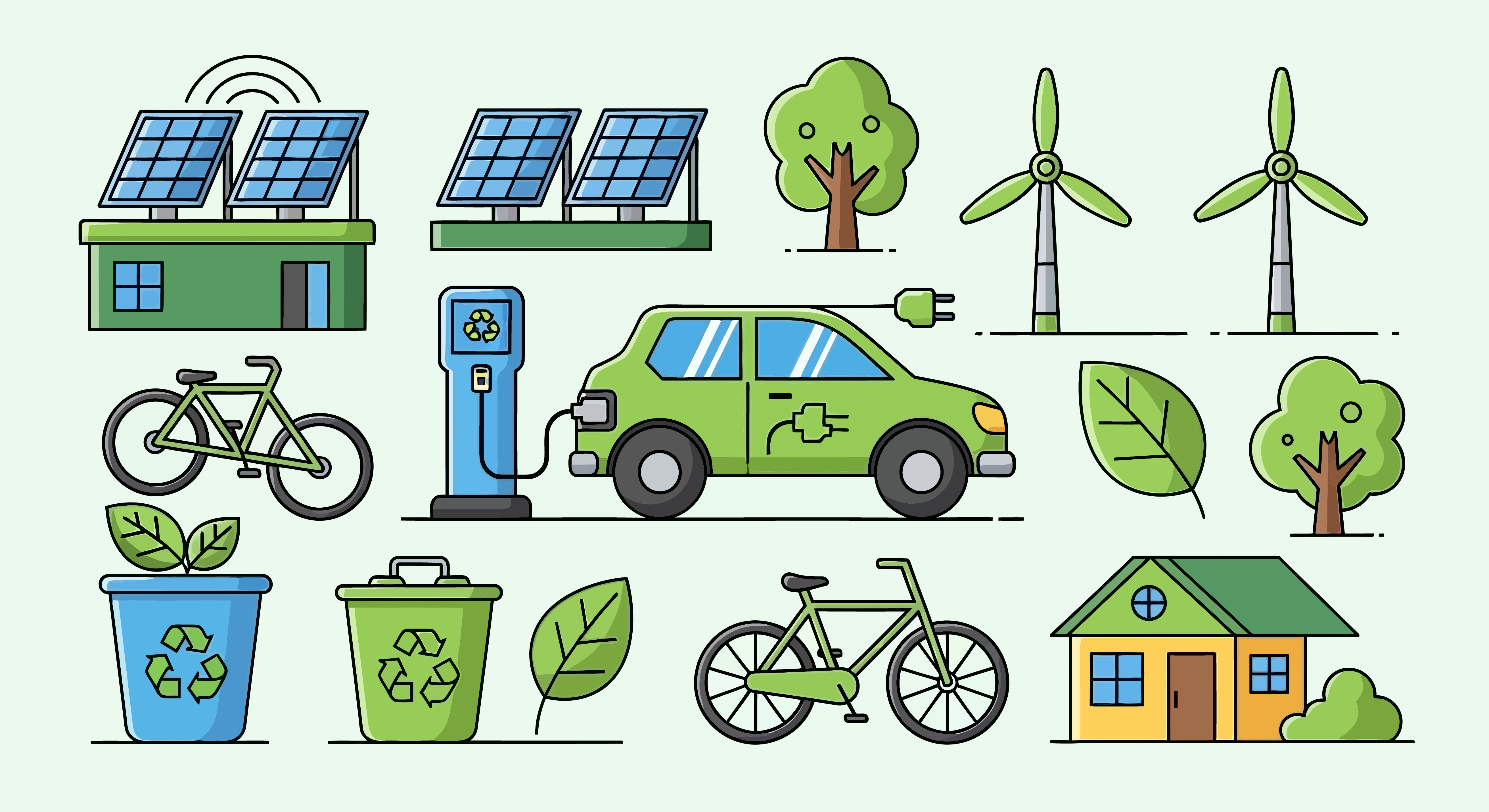
The energy transition requires far-reaching structural changes in the energy, industry, building and transport sectors. Reducing energy demand and using new technologies such as heat pumps, electric cars, PV systems and smart meters will create opportunities for cross-sector networking. In particular, the networked energy supply of entire neighborhoods is seen as the next necessary step in the energy transition, as it makes thermal and electrical energy more efficient to use and generates economies of scale. The integration of the aforementioned technologies into a holistic, flexible system is crucial here.
The research focus "Energy transition in the neighbourhood" investigates the interaction of technologies and options for action in order to initiate the transformation and flexibilization of neighbourhoods. In cooperation with municipalities, housing associations and municipal utilities, concrete solutions are being developed to make the best possible use of the potential of renewable energies.
Project background
The research focus was developed from the requirements of the energy transition, which must transform technical systems, infrastructures and markets into an intelligent energy system that makes established structures more flexible and develops them into a holistic system.Interactions within the system, for example between individual generation plants, buildings and districts through to the national and international energy system, present particular challenges and potential for optimization.
Steps to exploit the interactions have already been taken in pioneering new-build districts through local networking by integrally planning shared heating networks, seasonal storage and optimized consumption structures. The transfer of these approaches to existing buildings is now being prepared by municipal heating planning, which uses municipalities as drivers of the heating transition. The district plays a central role here: it enables the coordinated use of measures and drives exchange, flexibilization and economies of scale. The research focus on the energy transition in districts specifically examines potentials and implementation paths for networking districts and thus levers for achieving the energy transition at district level.
Project objective
The aim of the research focus is to develop fundamental methods for implementing the integrated energy transition in neighborhoods in order to leverage the potential of the networked use of renewable energies in groups of buildings and neighborhoods. The aim is to map a large number of interactions and dependencies in a holistic model that enables complex analyses and the development of a concerted approach to transforming existing structures.
Project procedure
The project methodology is divided into three main areas of work. The first focus is on developing transformation paths for an optimized renewable district energy supply. This involves a system analysis of thermal and electrical demand and supply structures in districts, the development of methodological principles for district modeling and the development of characteristic load and supply profiles. On this basis, a generic, modular neighbourhood model is being developed that iteratively maps and optimizes long-term development paths - for example through efficiency measures, electromobility or energy communities.
The second focus is dedicated to energy flexibilization. Modular operating models are analysed and optimized using mathematical methods in order to evaluate the potential of intelligent load-benefit balancing and interaction with the public grid. The third focus involves the development of a research structure: existing activities are analyzed, a regional network and the expansion of research structures are initiated and research results are transferred into practice in a targeted manner.
Innovation
The Energy Transition in Neighborhoods project develops levers for achieving the energy transition that go beyond individual buildings. Through modelling, analysis and path development, insights are to be gained into the concerted networking and optimization of energy demand and supply in neighbourhoods, which will contribute to the sustainable upgrading of the building stock.
Project coordinator
T +49 (0) 8031 / 805 - 2529 isabell.nemeth[at]th-rosenheim.de
ORCID iD: 0000-0002-2003-1029
Sub-project lead
T +49 (0) 8031 / 805 - 2952 matthias.mitterhofer[at]th-rosenheim.de
ORCID iD: 0000-0003-0037-5577
Project staff
Project collaboration
T +49 (0) 8031 / 805 - 2330 uli.spindler[at]th-rosenheim.de
ORCID iD: 0000-0002-8744-045X
Project duration
2024-01-01 - 2027-12-31Funding programme
Forschungsschwerpunkt BayernSustainable Development Goals